Alloys, AI, and Accountability
Alloys, AI, and Accountability: Redefining the Future of Heavy Industry
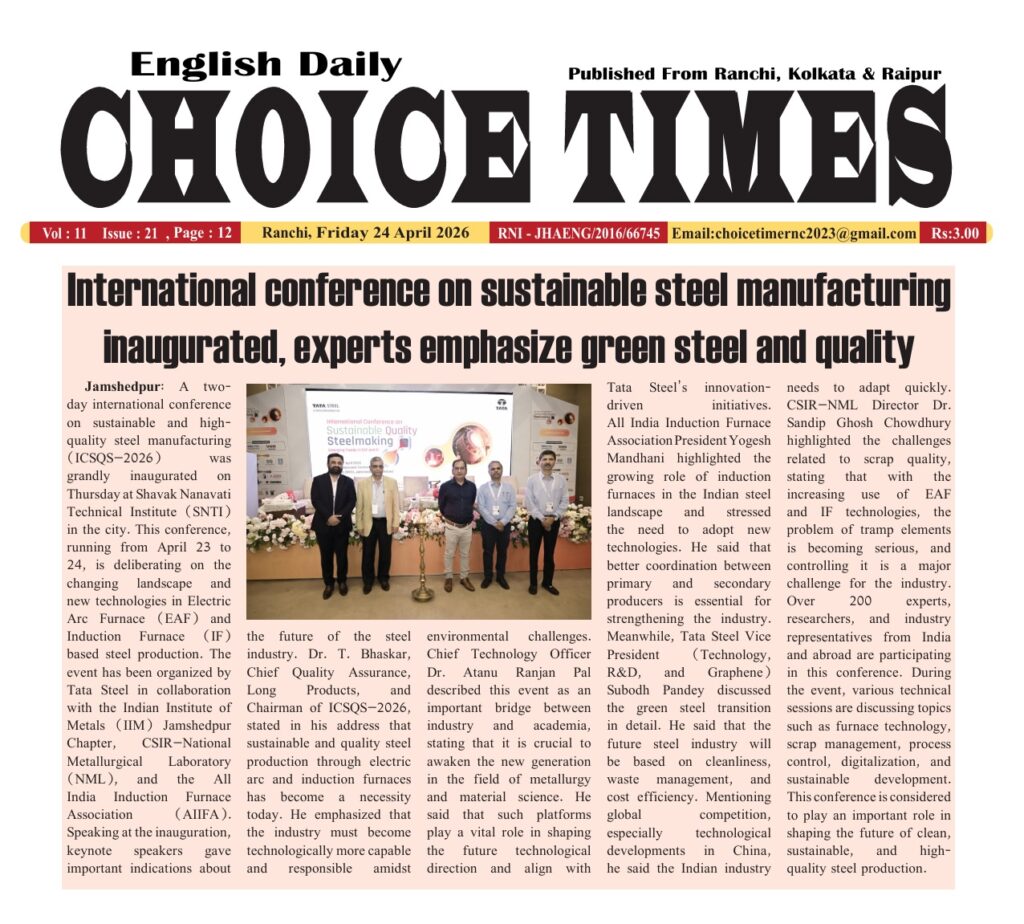
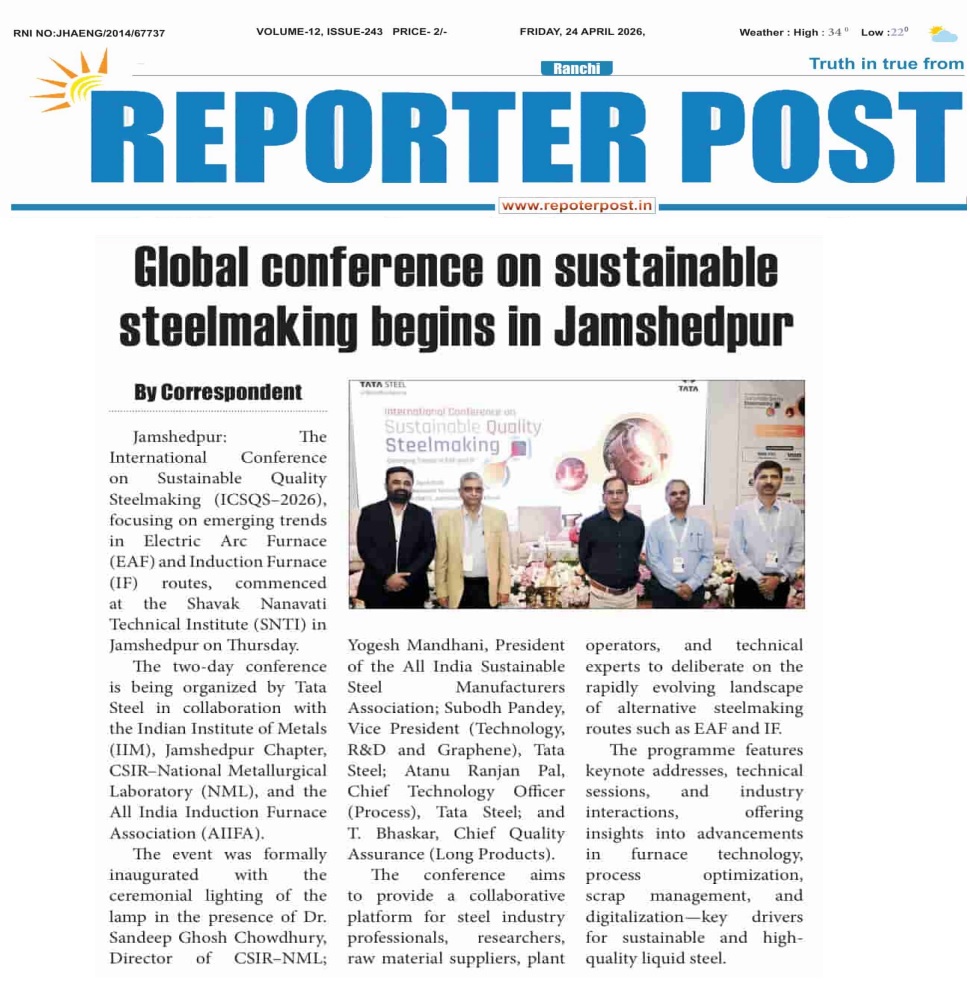
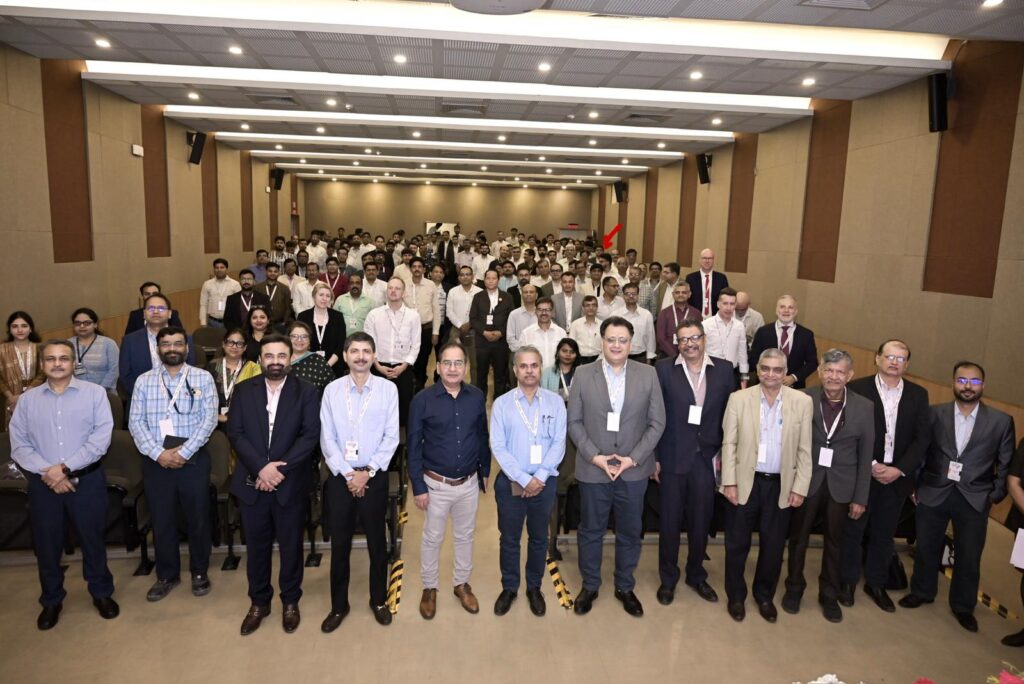
It was an honor to recently take the stage at ICSQS 2026, hosted by Tata Steel. Standing before a room full of industry veterans and innovators, one thing became abundantly clear: the “wait and see” era of digital transformation is officially over.
In heavy industries like steel and foundry operations, we are currently trapped between two relentless forces: increasingly stringent sustainability mandates and the persistent, nagging reality of margin leakage.
Traditional enterprise systems have served us well for decades, but they’ve reached their ceiling. They were built for record-keeping, not for the high-velocity, data-dense world of modern Industrial AI.
The Gap Between Data and Wisdom
Most manufacturing plants are sitting on a goldmine of “dark data”—information living in PLC streams, operator logs, and manual notes that never makes it to the boardroom. This creates a “knowledge gap” that forces companies into a reactive stance.
At BACUTI, we’re championing an AI-first approach. This isn’t just about adding a layer of software; it’s about building a unified, self-learning platform that turns compliance from a “tax” into a competitive advantage.
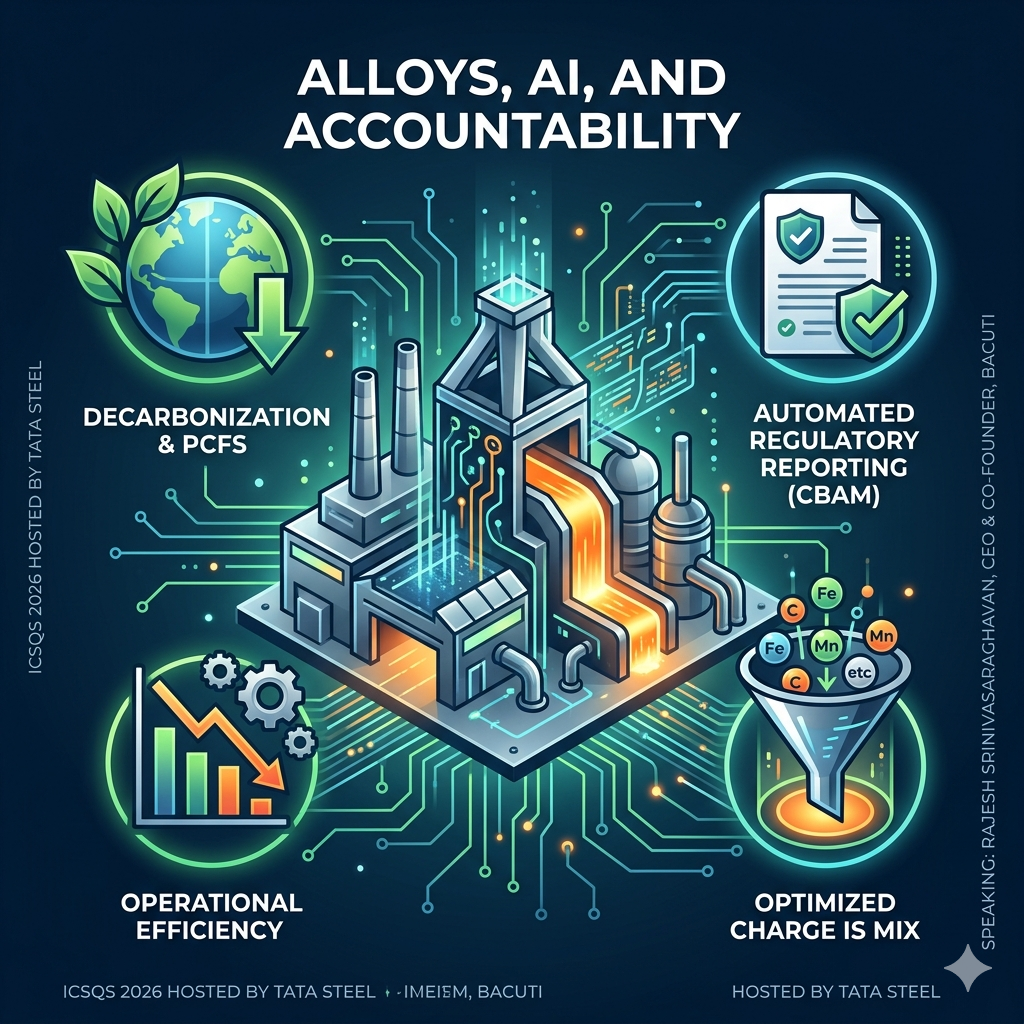
During my talk, I shared four specific ways we are seeing AI move the needle right now:
1. Decarbonization: Beyond the Spreadsheet
By pulling operational data directly from ERP systems, we can now calculate precise Scope 1, 2, and 3 Product Carbon Footprints (PCFs). This isn’t just for the annual report; it’s for the sales team. Precise data allows for “green” product differentiation, which can command a 20-30% price premium in a market hungry for low-carbon materials.
2. Mastering the Regulatory Maze
Between CBAM and evolving global standards, regulatory reporting has become a logistical nightmare. We are leveraging Generative AI and standardized protocols like PACT to automate these jurisdiction-specific reports. The goal? Eliminate non-compliance risk without hiring an army of consultants.
3. Operational Improvement (Finding the “Dark Data”)
The most significant gains often hide in the shadows. By ingesting real-time streams from the factory floor, our platform identifies inefficiencies that humans (and legacy systems) miss. We’ve seen this lead to a 10-15% reduction in energy consumption and a 5-10% drop in rejection rates.
4. The Perfect Charge Mix
Raw material quality is never constant. Using ML algorithms, we can optimize recipes in real-time. By adjusting for raw material variations on the fly, manufacturers are seeing a 2-5% reduction in ingredient costs—which, in the world of high-volume steel, is a massive win for the bottom line.
Lessons from the Trenches
The biggest takeaway from our deployments? Flexibility beats rigidity. The manufacturing sector doesn’t need more rigid, “black box” optimization models. It needs a full-stack platform that can codify operator intuition—that “gut feeling” a foreman has after 30 years on the floor—and turn it into a repeatable, scalable digital asset.
As we look toward the rest of 2026 and beyond, the companies that thrive will be those that stop viewing sustainability as a burden and start viewing it as the ultimate driver of operational excellence.
About the Author: > Rajesh Srinivasaraghavan is the co-founder and CEO of BACUTI, an AI-first software company reimagining emissions management. With a background spanning Dell, Cisco, and McKinsey, Rajesh focuses on bridging the gap between deep industrial expertise and cutting-edge machine learning.
Thank you again to Tata Steel and the ICSQS 2026 organizers for a fantastic event. If you’re interested in how Industrial AI can transform your specific operations, let’s start a conversation.